
Legend
Tonquin Project BETA
PGE is working toward Oregon’s clean energy future -building a smarter, stronger, and more flexible grid to deliver customers the most cost-effective, reliable power today and into the future. Customers rely on energy to power more of their lives than ever before. PGE is upgrading its infrastructure to bring on more diverse types of energy and to accommodate the many new ways we’re using it. These upgrades will support growth – in population, economic opportunity, and reliance on electricity to power our lives.
The Tonquin project upgrades 11 miles of 115kV transmission lines and adds a new substation in the southern portion of PGE’s service area. These improvements will support load growth, the new Willamette Water Supply facility, and improve reliability for the entire region.
This multi-year, multi-segment construction project is scheduled to begin in the summer of 2023 and will be completed by the end of 2025.
To learn more detail about the project, click on the video and review the interactive map illustrating the project components. Note that visual simulations are approximations for illustrative purposes only. Final engineering and construction details may change pending public, regulatory and utility review.

Timeline
Overall Project Time
Meridian-Sherwood Loop
Rosemont-Wilsonville
Sherwood-Wilsonville
McLoughlin-Tonquin
Tonquin Substation Construction
Schedule and scope is subject to change pending review.
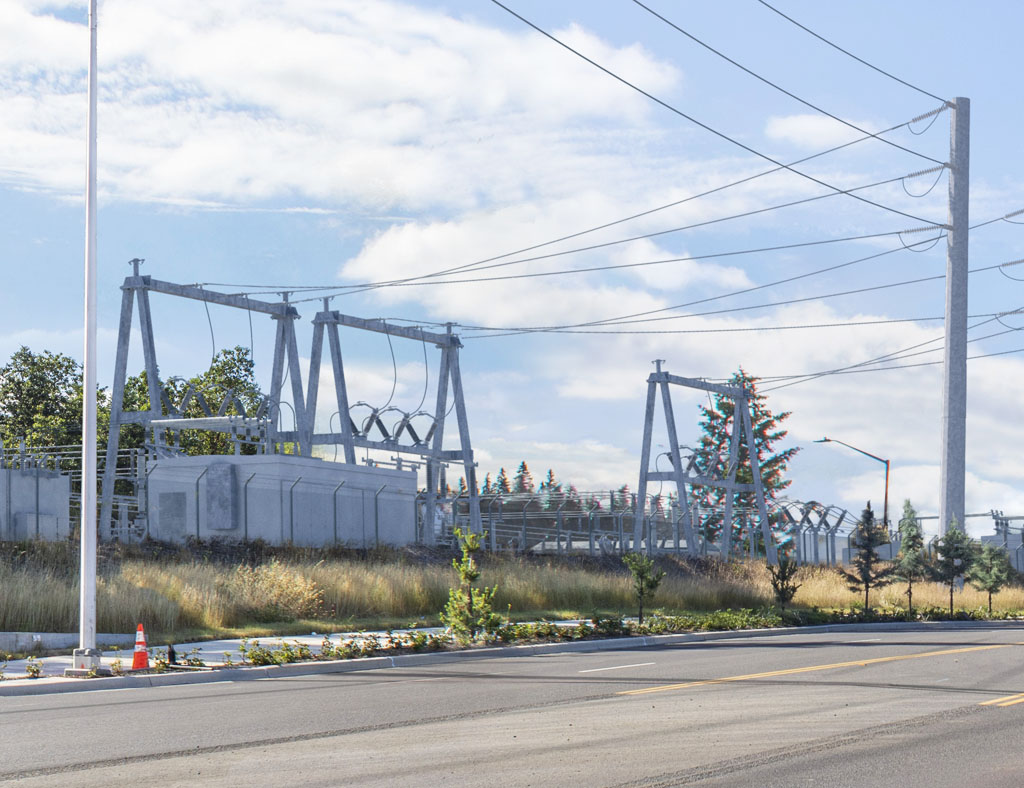
Proposed Tonquin Substation
Substations serve as electrical intersections that reduce the voltage and act as a distribution and switching system to the homes and businesses they serve. PGE’s proposed Tonquin substation is a first step in meeting increased growth in the Sherwood, Tualatin, and surrounding areas and improving power reliability throughout the region. It will provide relief to two nearby substations nearing their electric load capacity. This construction phase is scheduled to begin in summer 2023 and will be completed in spring 2024. The site for the proposed substation is located on PGE property in the City of Tualatin.
Photo Simulations
These photo simulations help provide an accurate and realistic depiction of a planned project. They use photography and detailed 3D renderings to create ‘before and after’ simulations of the project at different locations. Simulations consider the width of the right of way, vegetation management requirements, environmental considerations, visual impacts, and material finishes to help illustrate how the proposed project may look when it is built. Note that photo simulations are approximations for illustrative purposes and to facilitate discussion. Final engineering and construction details may change pending public, regulatory, and utility review.
There are two ways to use this tool:
- On the overview map, click the photo simulation icon at any of the locations. Click ‘view simulation’ on the photo that pops up. Click and drag the slider to see the transition between existing and proposed conditions.
- In the project segments, click the photo simulation of interest. Click and drag the slider to see the transition between existing and proposed conditions.
Information Resources
To further your understanding of the project, view or download project videos, documents, and frequently asked questions.
Related Videos
Overhead Power Line Construction
01:35
Topic Video 1
00:00
Topic Video 1
00:00
Important Documents
Meridian - Sherwood Loop
Rosemont - Wilsonville
- Coming Soon
Sherwood - Wilsonville
- Coming Soon
McLoughlin - Tonquin
- Coming Soon
Tonquin Substation
Frequently Asked Questions
- Installing new steel poles to replace existing wood poles for more resiliency against potential fires.
- Upgrading system technology for faster fiber optic communication between substations and system operations equipment.
- Creating system redundancy from multiple energy sources that restore power to customers faster in the event of a power interruption.
- Supporting the current and projected demand for energy from regional economic growth.
- PGE must maintain transmission reliability according to standards set by the North American Electric Reliability Corporation.
- The pace at which load is growing in our area puts PGE’s current system at risk for failure, which is the genesis for this project. It will also help PGE meet growing electrification demand in the broader Portland-metropolitan area.
- Overall, upgrading the system to expand and strengthen transmission and substation infrastructure will increase capacity and flexibility management in anticipation of electric load growth
- Incorporating a new substation into the system will provide relief to two nearby substations that are nearing their electric load capacity and will accommodate three new 115 kV transmission lines for additional capacity
- Adding segments of new transmission line will increase electric load capacity and interface with the existing transmission system allowing more flexibility in operation and more redundancy thereby reducing the risk of outages
- Upgrading the system will allow for resiliency and redundancy by using multiple energy sources
- Upgrading system technology with fiber optic communication between transmission and system operation equipment allows for a smarter system (e.g., faster relay and response) and more efficient operation
- Upgrading and/or replacing infrastructure extends the life of and improves the transmission system thereby reducing the risk of infrastructure failure
- Oregon Public Utilities Commission –
- City of Portland –
- State of Oregon – House Bill 2021
- Federal –
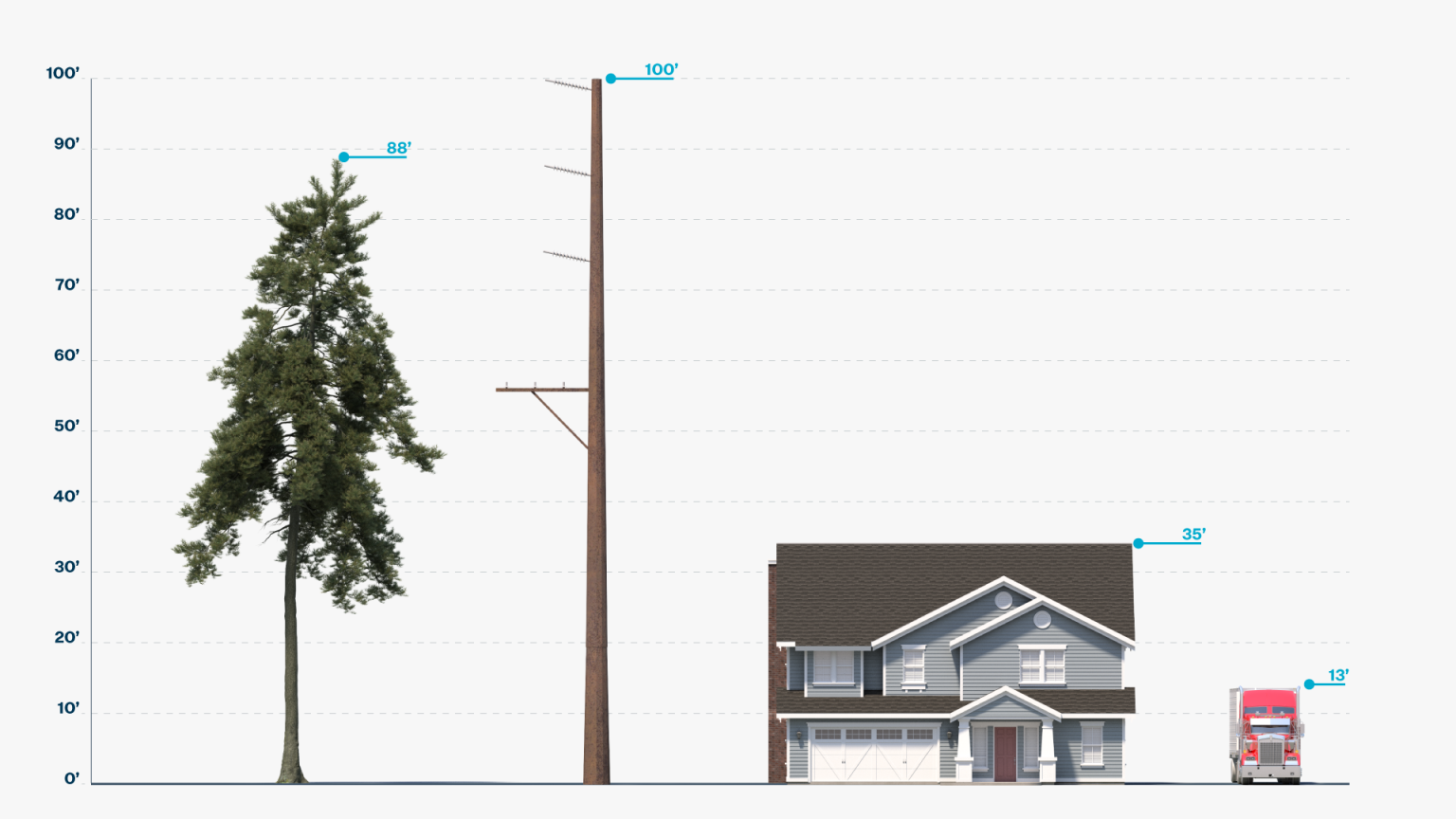
What will the project look like?
Use the map above to explore the project and see detailed information about the proposed structures. Click the structure location dots to display specific information including proposed structure height and type. The image below is to help illustrate the project elements, although final engineering and construction details may change pending public, regulatory and utility review.
Welcome to GeoVoice
GeoVoice is an interactive map tool for transmission line projects. You can use GeoVoice to explore and comment on proposed projects and participate firsthand in the process. To use GeoVoice, follow the instructions below.
If you’d rather contact PGE to share a comment, click the Contact Us link below.

GeoVoice Help
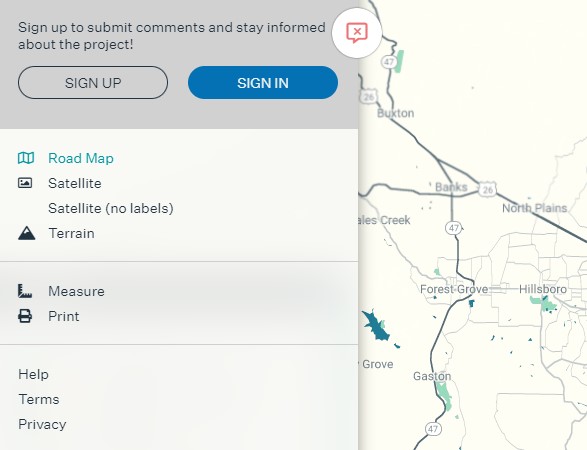
- Sign Up
- Click Submit a Comment
- Drop a pin
- Provide information about the nature of your comment
- Add any important details
- Click Submit